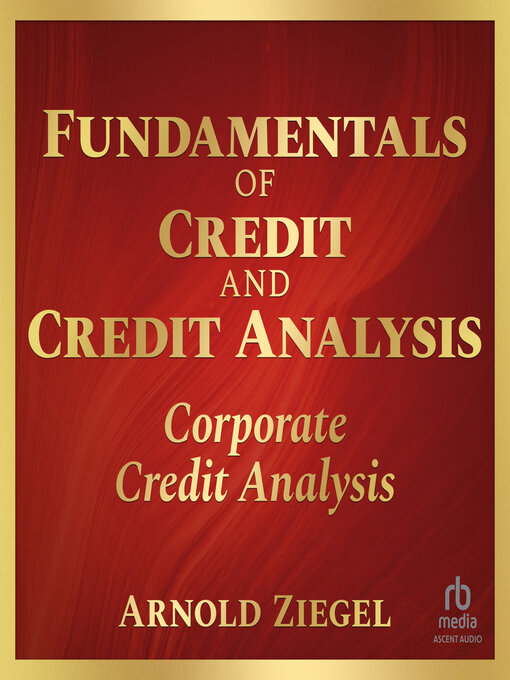
The goal of credit analysis is not to make "yes or no" decisions about the extension of credit, but to identify the degree of risk associated with a particular obligor or a particular credit instrument. This is consistent with modern banking industry portfolio management and the rating systems of credit agencies. Once the 'riskiness" of an obligor or credit instrument is established, it can be priced or structured to match the risk demands or investment criteria of the entity that is extending the credit. A simple quote from Mr. J. P. Morgan is used often in this text - "Lending is not based primarily on money or property. No sir, the first thing is character". This statement represents one of the conflicts in modern credit analysis - that of models for decision making versus traditional credit analysis. The 2008 financial crisis was rooted in the mortgage backed securities business.
Sophisticated models were used by investors, banks, and rating agencies to judge the credit worthiness of billions (and maybe trillions) of dollars worth of residential mortgage loans that were packaged into securities and distributed to investors. The models indicated that these securities would have very low losses. Of course, huge losses were incurred. Mr. Morgan had a good point. In this case is was both property and character. The properties that were the collateral for many of the mortgages had much less value than was anticipated. The valuation of the collateral was naïve and flawed. Many assumptions were made that the value of homes would rise without pause. Many mortgage loans were made that were at or even above the appraised value of a residence.
But character was a huge, perhaps larger, factor behind these losses. Many of the residential mortgage loans were made to individuals who knew that they did not have the income to make the required payments on the mortgages. Many of the mortgage brokers and lenders who made these loans also knew that many of the borrowers were not properly qualified. And, many of the bankers who securitized these loans also may have doubted the credit quality of some of the underlying mortgages. If bankers and rating agencies understood the extent of the fraud and lax standards in the fundamental loans backing the mortgage securities, or were willing to acknowledge it, the fiasco would not have occurred.
-
Creators
-
Publisher
-
Release date
April 27, 2020 -
Formats
-
OverDrive Listen audiobook
- ISBN: 9781663728340
- File size: 118062 KB
- Duration: 04:05:57
-
-
subjects
-
Languages
- English
Why is availability limited?
×Availability can change throughout the month based on the library's budget. You can still place a hold on the title, and your hold will be automatically filled as soon as the title is available again.
The Kindle Book format for this title is not supported on:
×Read-along ebook
×The OverDrive Read format of this ebook has professional narration that plays while you read in your browser. Learn more here.